


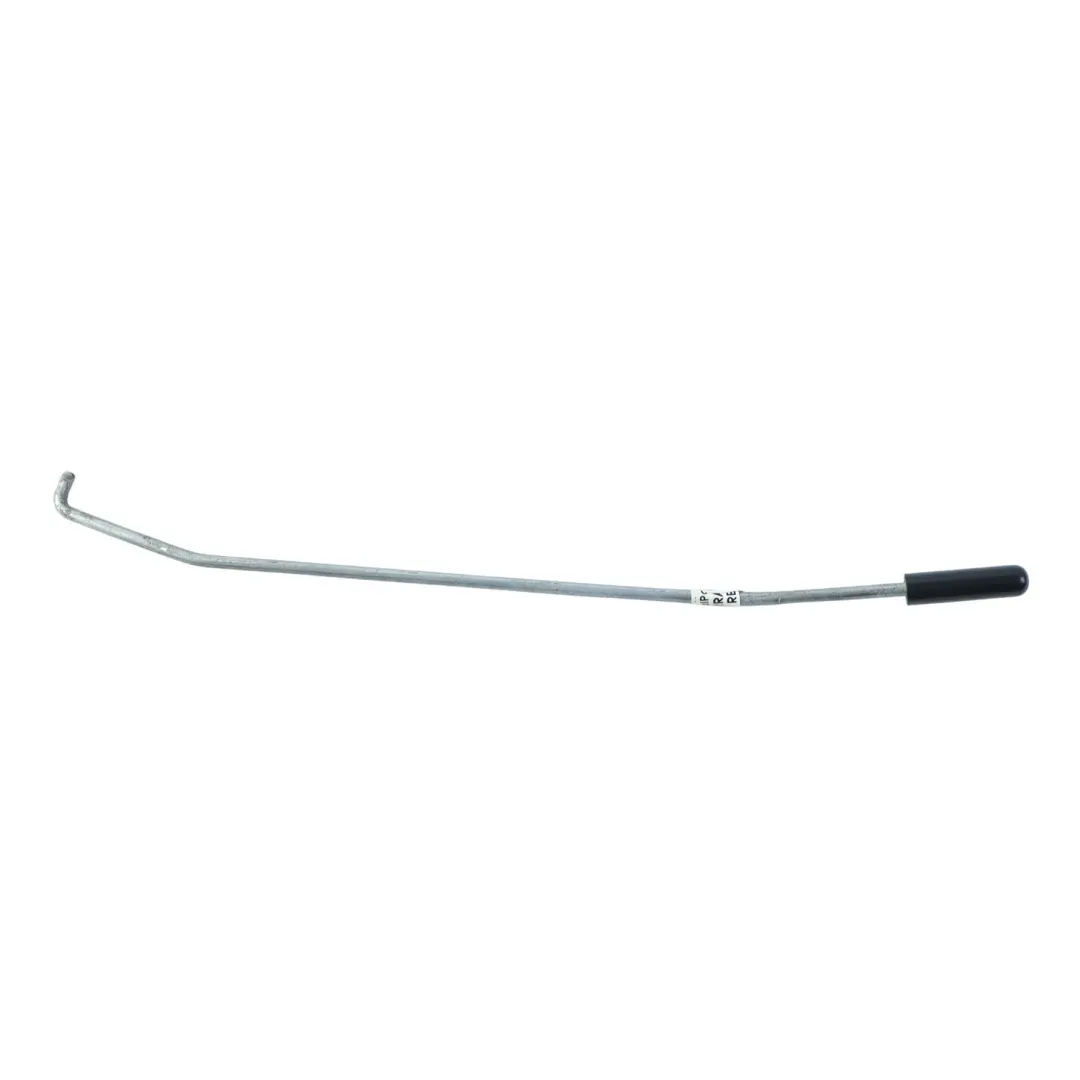
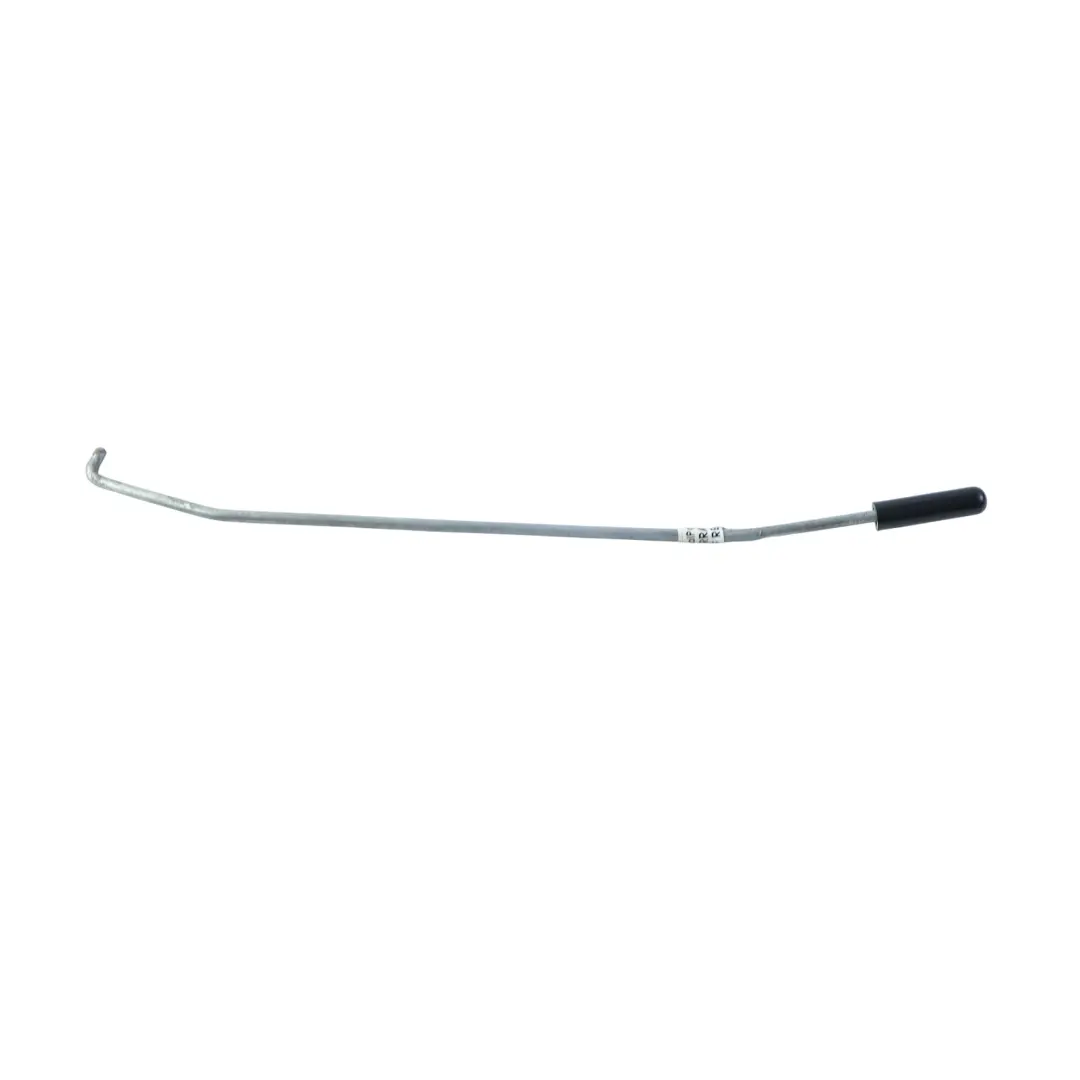
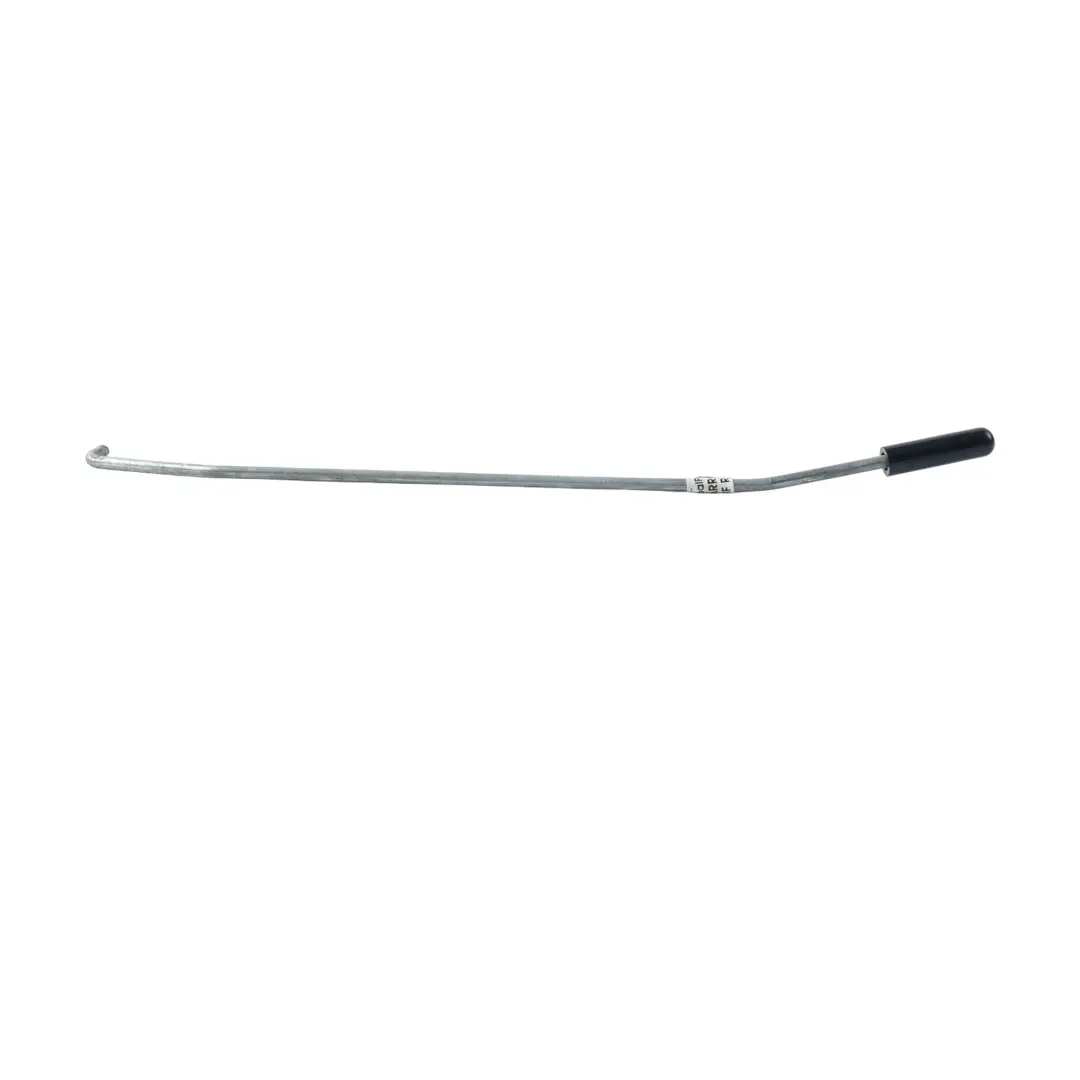
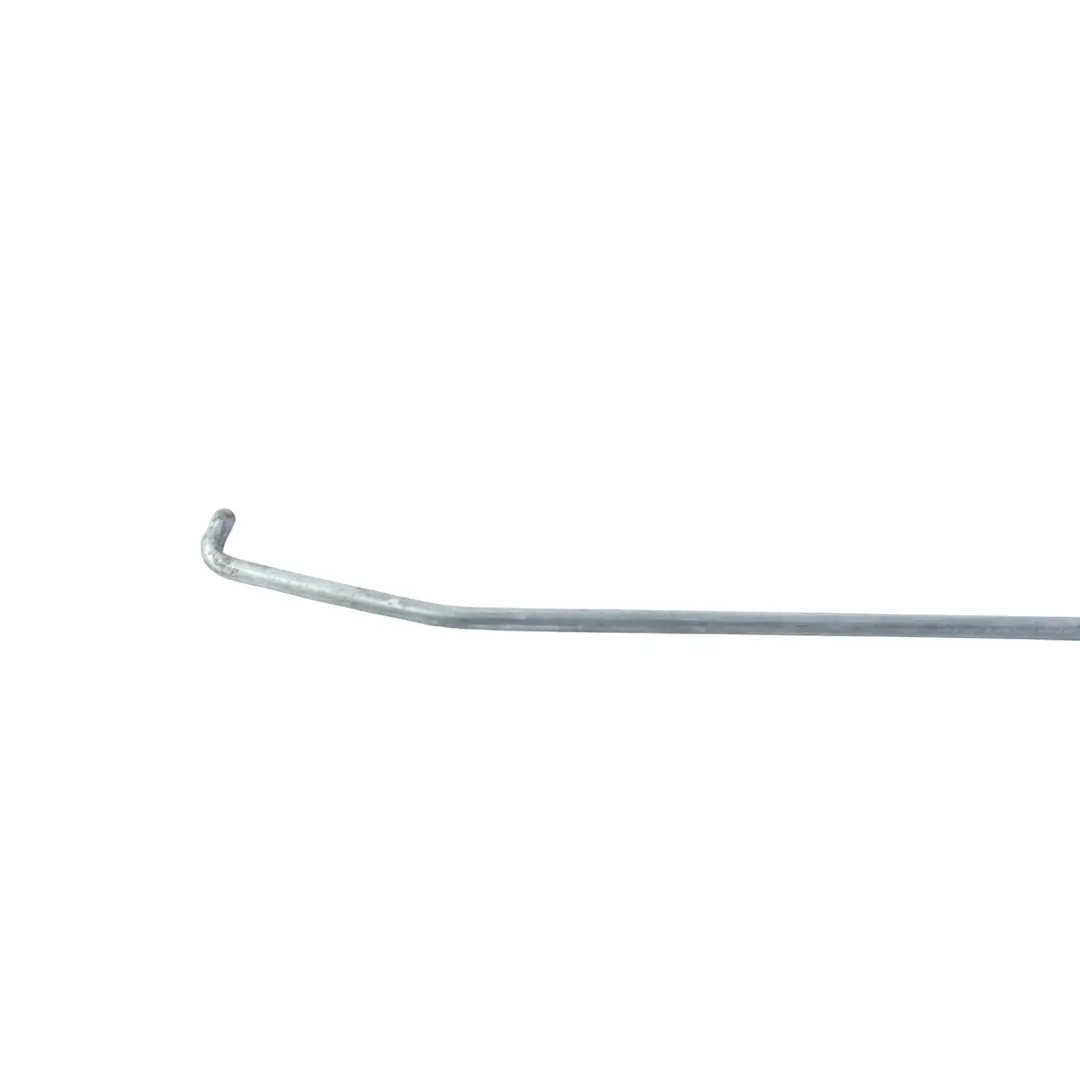
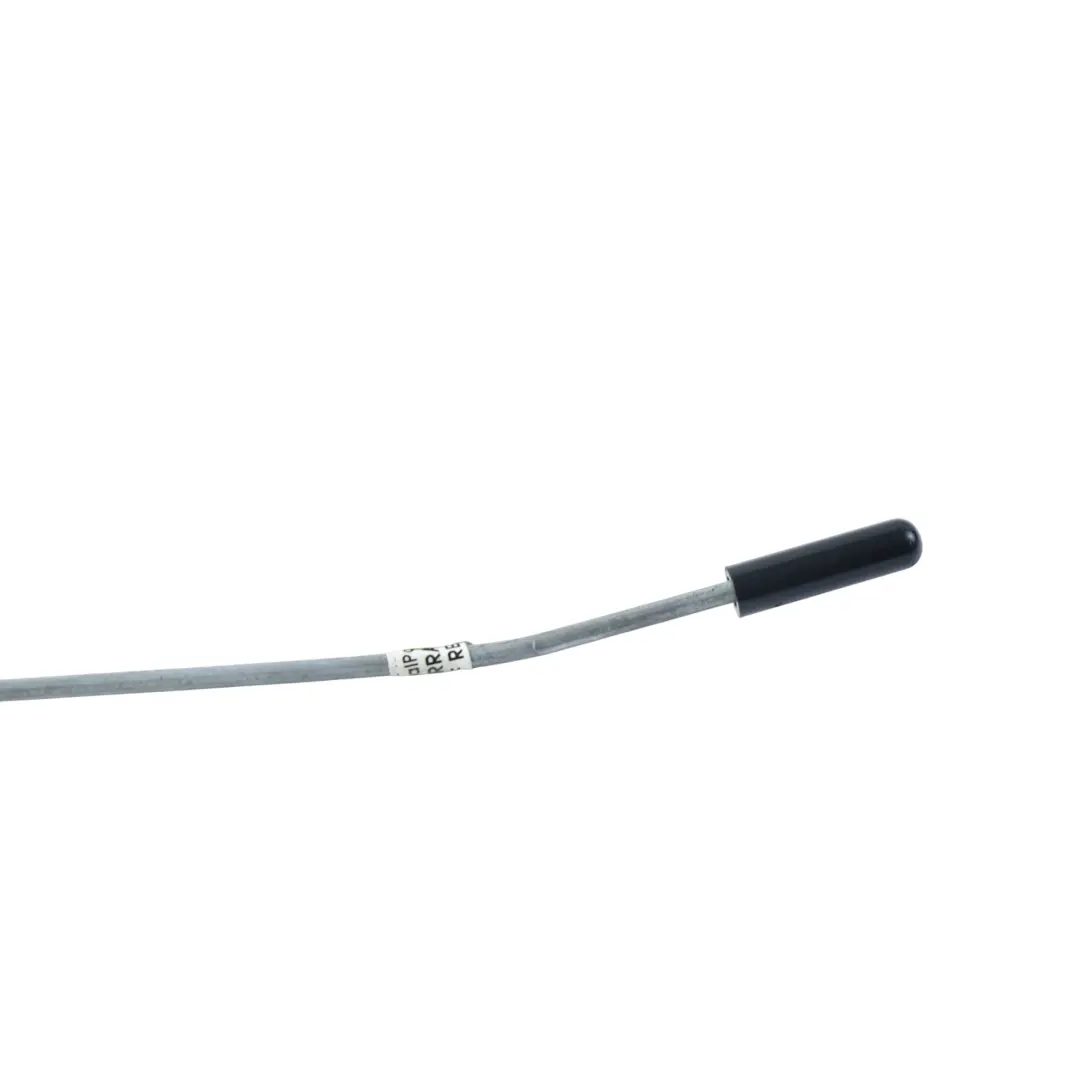
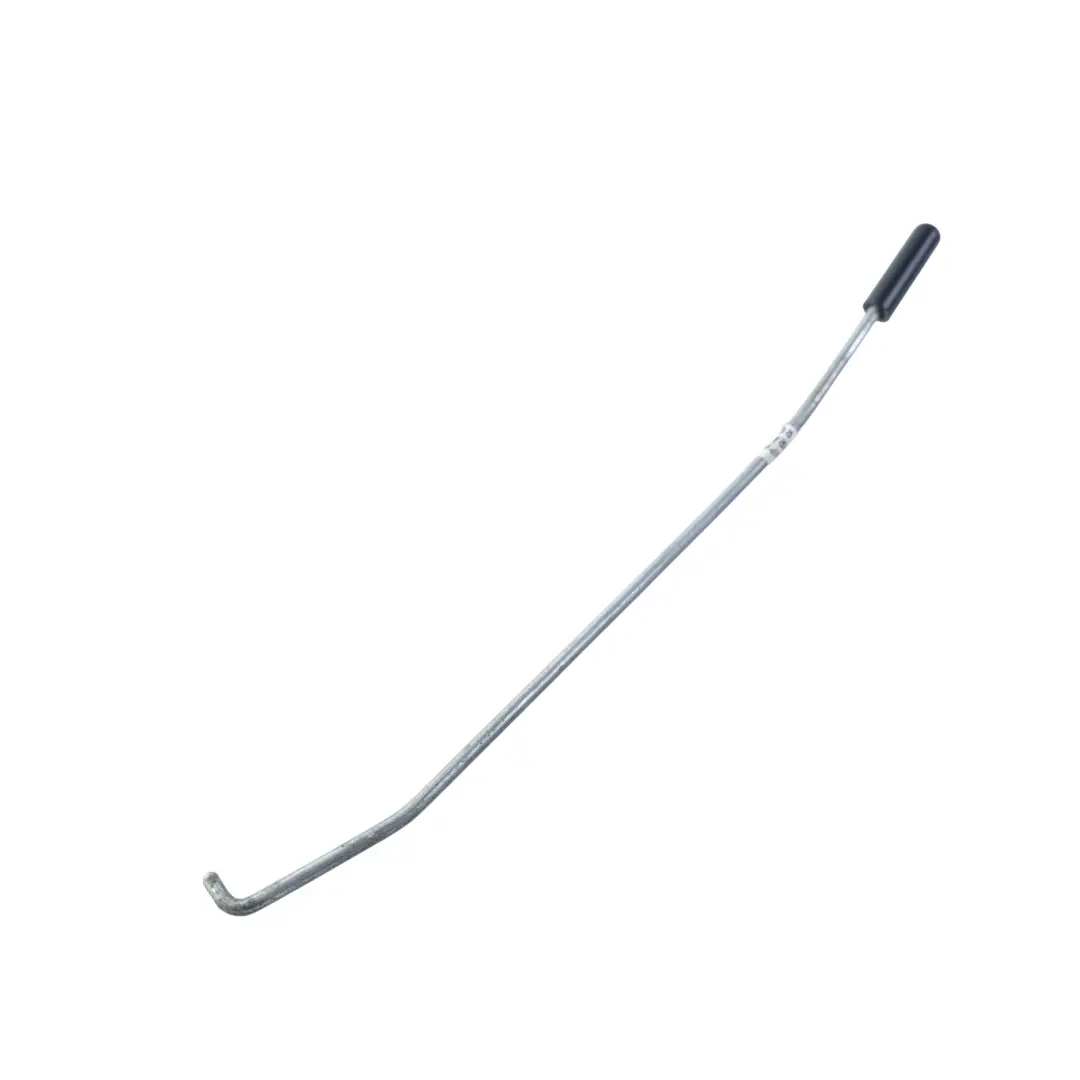
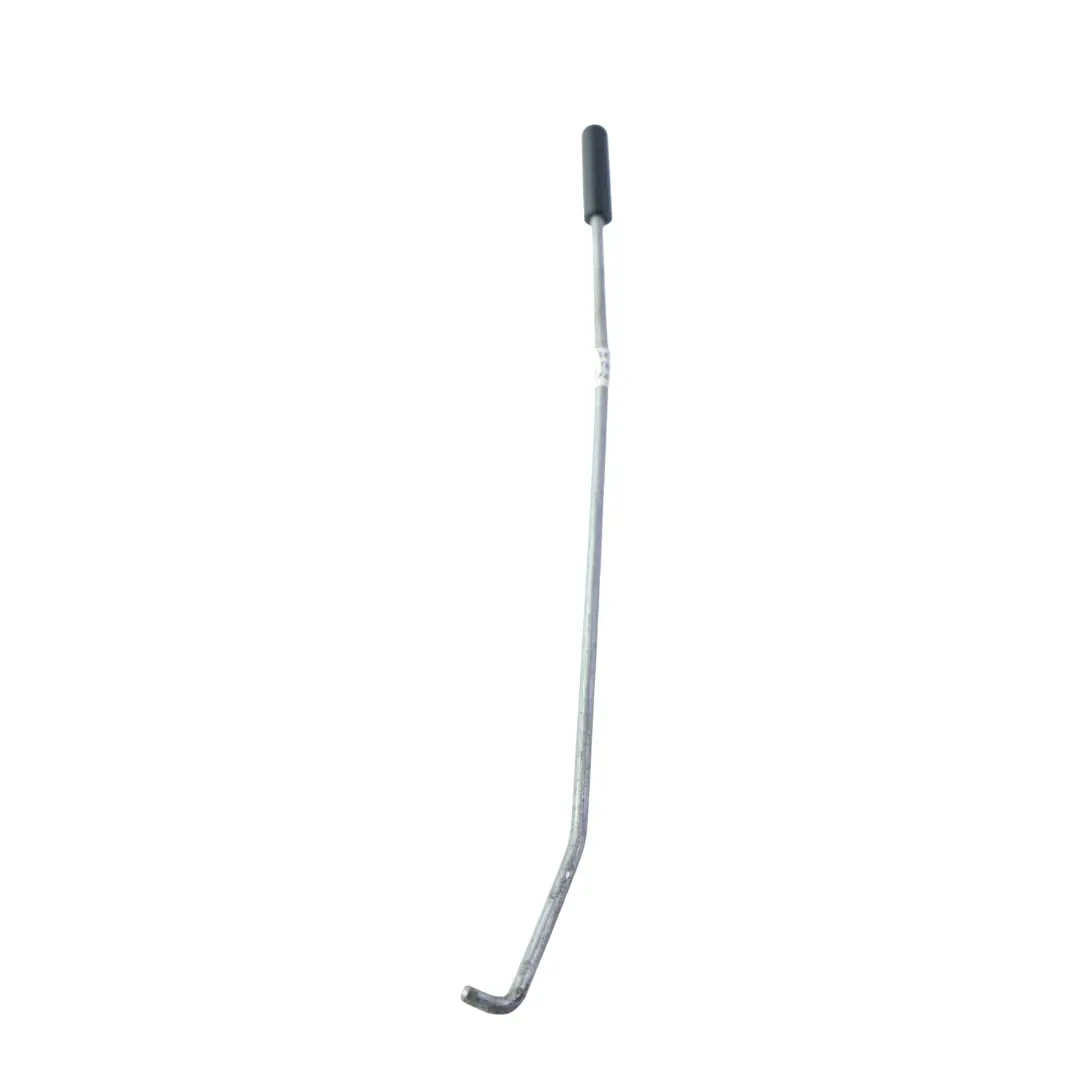
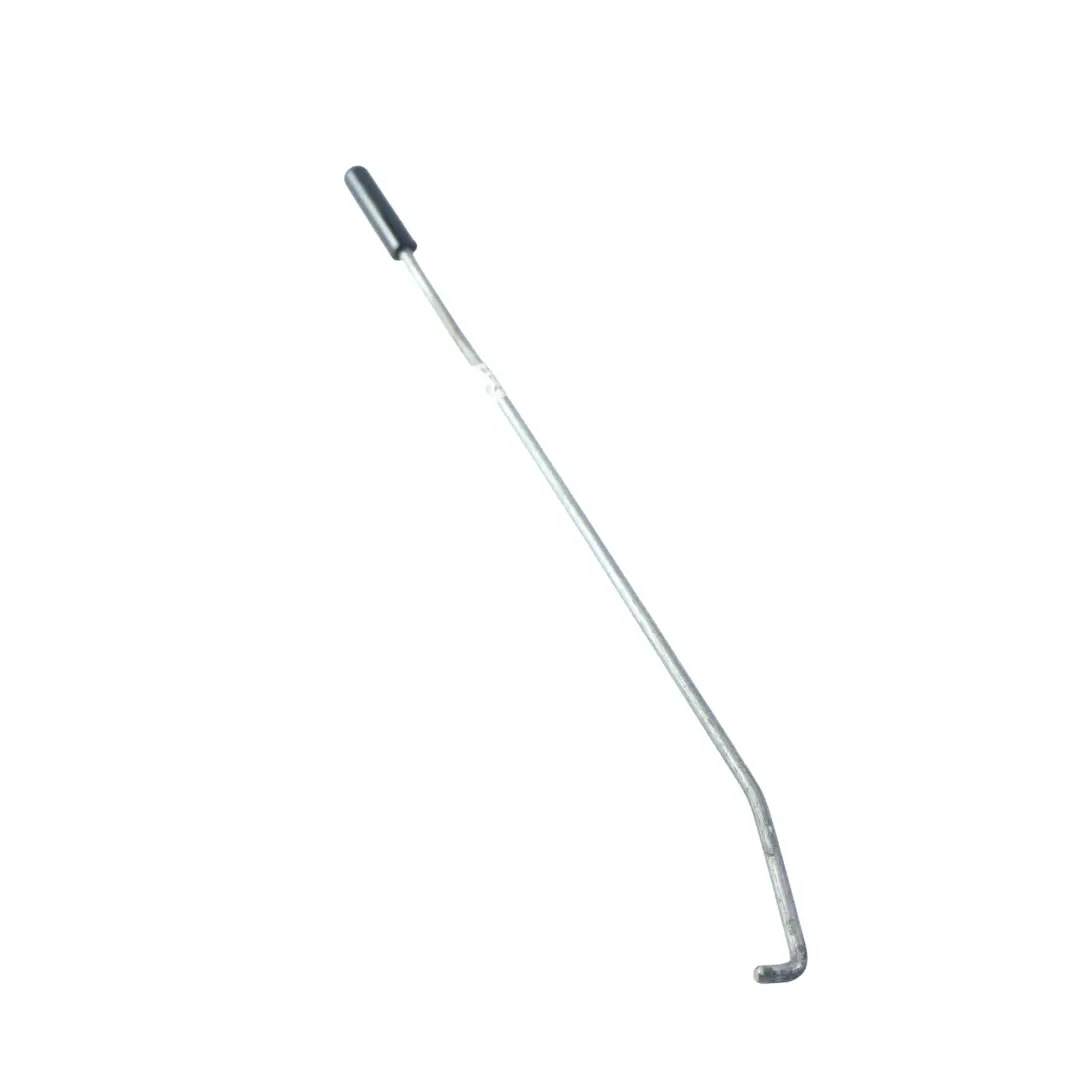
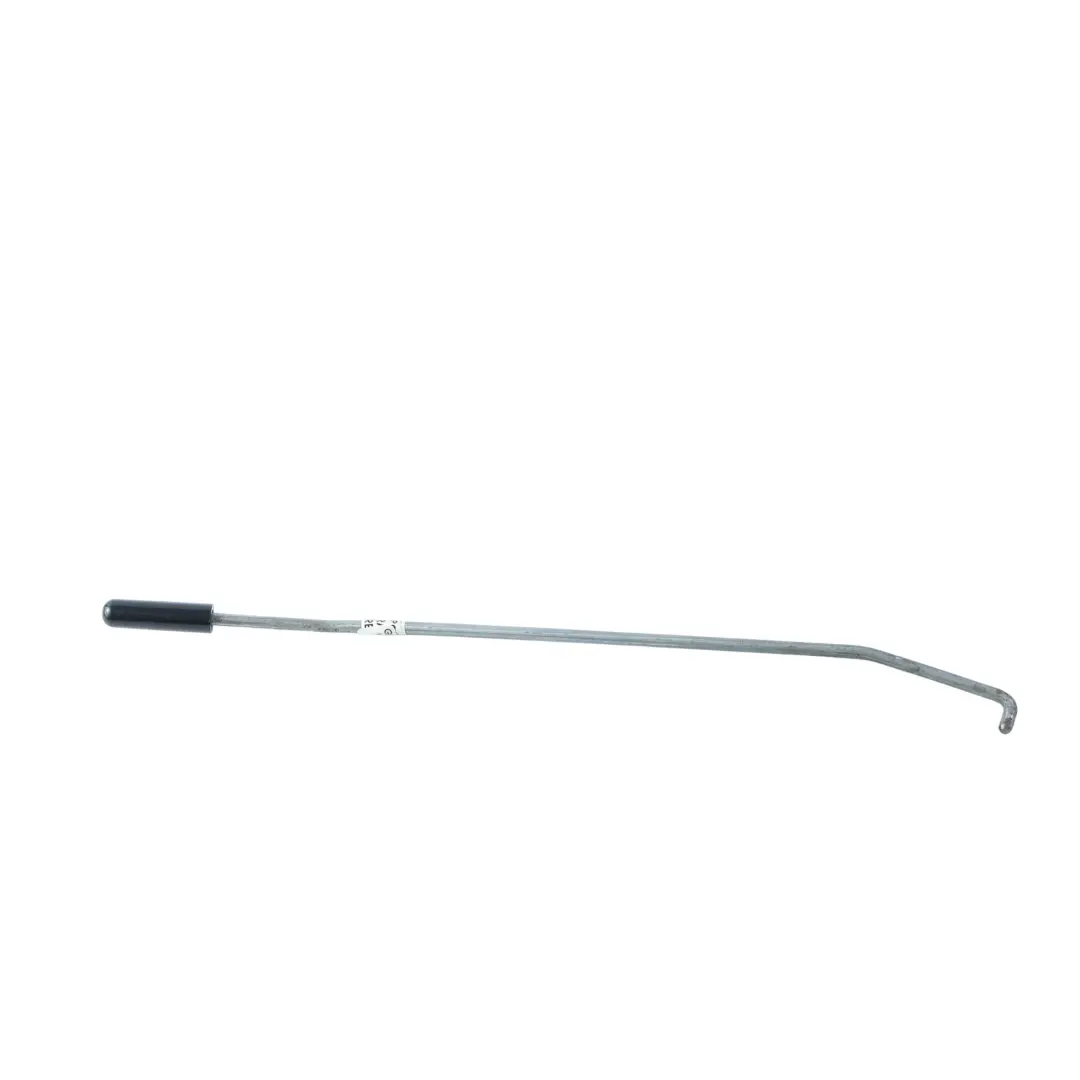
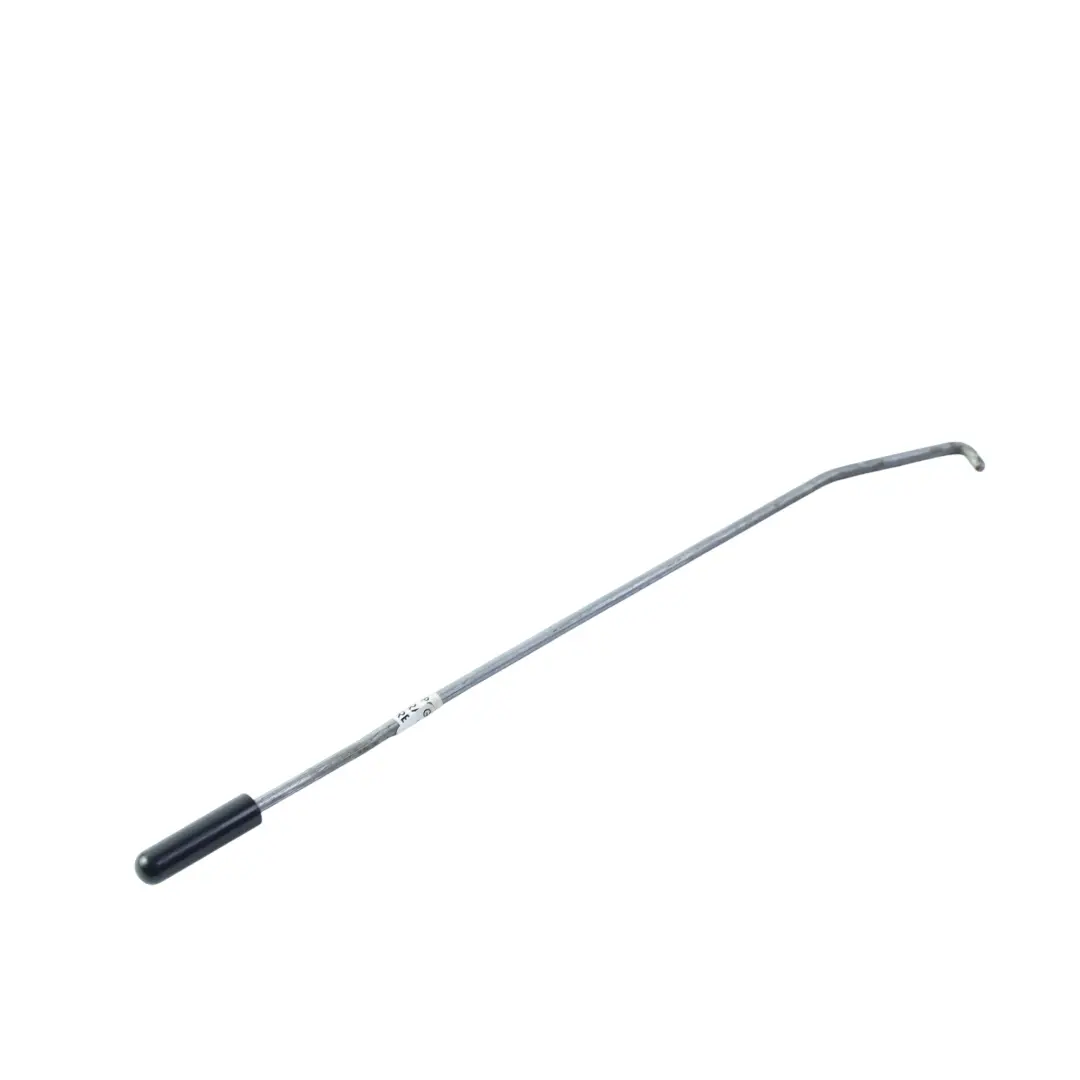
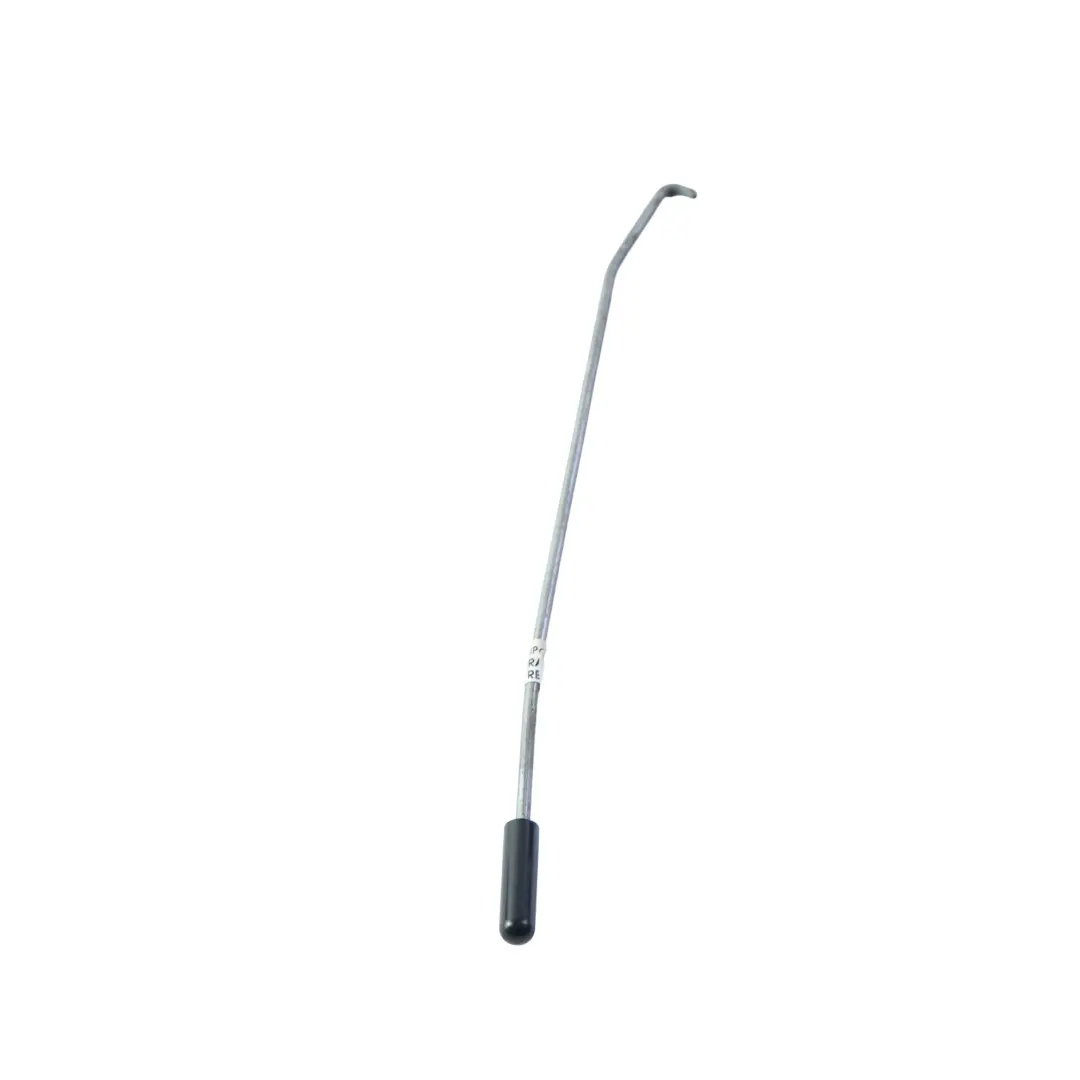
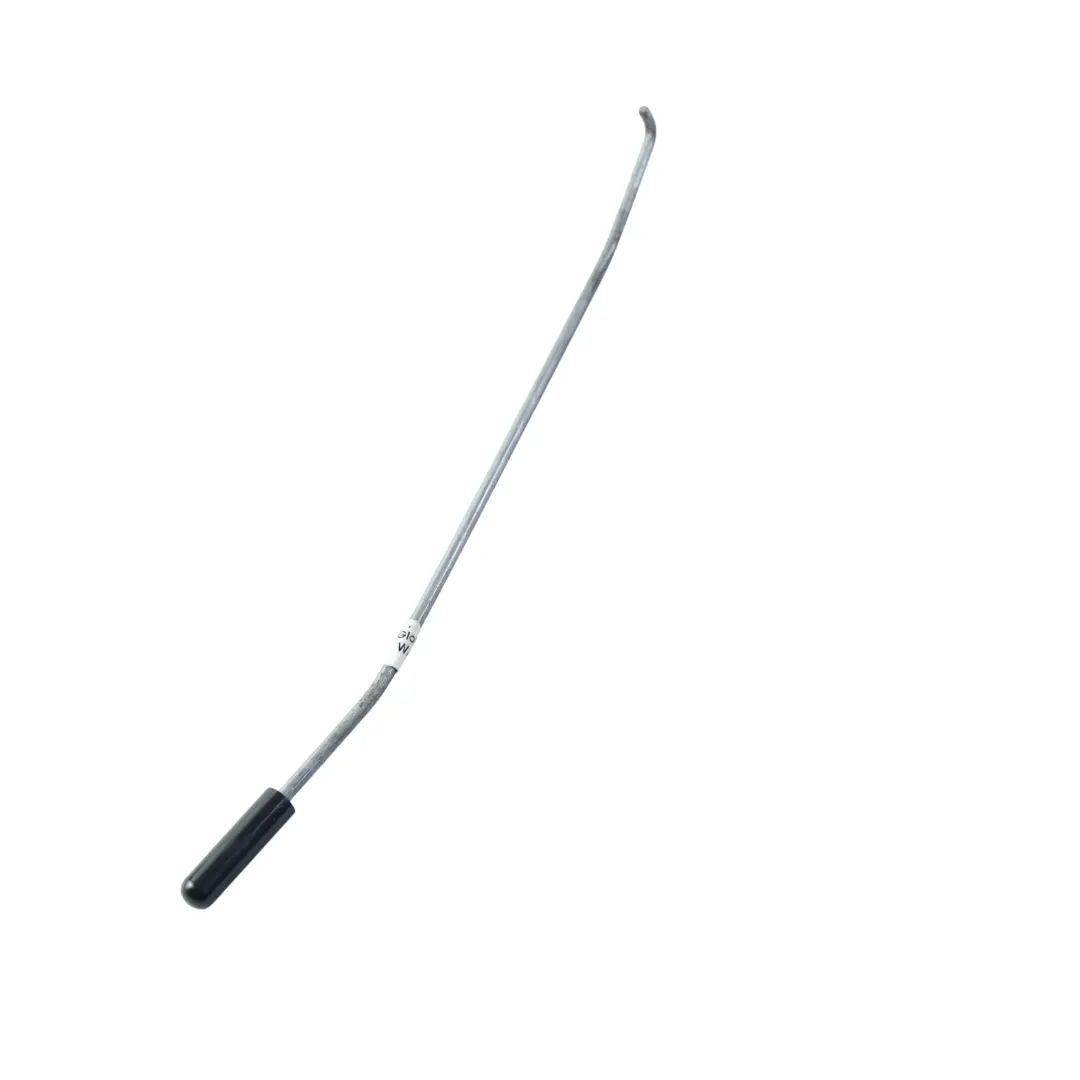
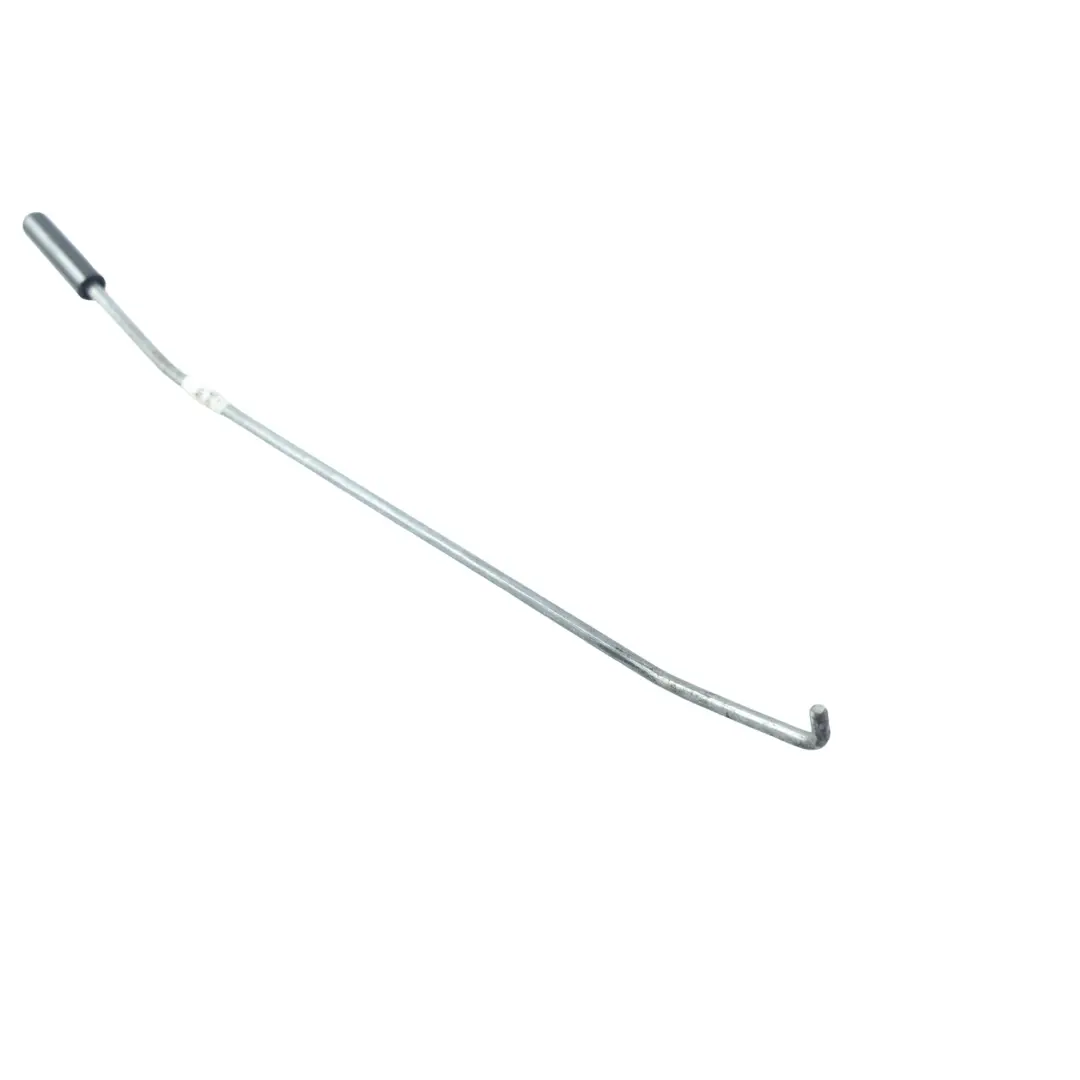
Range Rover L322 Front Door Latch Catch Rod Left Right N/O/S EJZ000011PUY
SKU: EJZ000011PUY
Product from a certified dismantling facility
Condition:
Used
Available:
1
Delivery time:
Estimated delivery in the country Europe between Mon, Sep 14 and Tue, Sep 15
Dispatched today if paid before 14:00
Payment methods:


Returns:
30 days return
Delivery from:
Free delivery
€47.95
1
Lowest price in the last 30 days: €47.95
Total for items
€47.95
Range Rover L322 Front Door Latch Catch Rod is a component from the Locks and latches group, designed for the front door locking mechanism on either the driver or passenger side. It ensures the correct transfer of movement between the handle and the lock, providing stable closing and opening of the doors in your Range Rover.
Specifications and technical data
- SKU: EJZ000011PUY
- Mark: Range Rover
- Condition: Used
- OEM Part Number: EJZ000011PUY
- Substitutable numbers: EJZ000011PUY, 6H4220324AA8PUY
- Location on the vehicle: Front, Left, Right
- Part type: Door Lock
- Category: Exterior Locks & Lock Hardware
Purpose and function in the vehicle
The door latch catch rod is responsible for the mechanical interaction between the handle and the lock assembly, which is crucial for the comfortable and consistent operation of the doors. In the Range Rover L322, this component operates in the front part of the body, on both the left and right sides, allowing it to be used in either of the two front doors depending on service requirements. Thanks to its precise fit to the factory lock design, the rod maintains the correct movement geometry, reduces operating play, and helps maintain predictable operation of both external and internal handles. This is particularly important in the heavy doors of a Range Rover, where the stability of the mechanism translates into daily convenience.
Construction and fitment for Range Rover L322
The component has been designed specifically for the Range Rover L322 platform, which means it is compatible with the factory mounting and routing system within the door. The rod's construction is adapted to operate in the limited space inside the door panel, ensuring it does not interfere with the window, guides, or electrical wiring. Key design advantages include:
- dedicated shaping for the lock mechanism used in the Range Rover L322,
- stable connection with handle levers and the latch,
- possibility of installation in either the left or right front door. Such fitment facilitates service and reduces the time required to replace a damaged component, which is important both in workshops and for DIY repairs.
Characteristics of the used component
The latch rod comes from dismantling, which allows it to retain the original operating characteristics intended by the vehicle manufacturer. A used component of this type is a good solution when you want to maintain the factory lock mechanism design while optimizing repair costs. For mechanical components in the Locks and latches group, it is important to maintain correct adjustment and proper routing within the door. After installation, it is worth paying attention to:
- smooth movement of the internal and external handle,
- absence of excessive play in the lock mechanism,
- proper closing and opening of the door without the need for excessive force.
Benefits of using the original latch rod
Using a dedicated latch rod in the Range Rover L322 allows you to maintain the consistency of the entire door locking system. Proper fitment of the component translates into:
- maintaining the factory handle travel and predictable lock response,
- reducing the risk of damage to other door components resulting from incorrect force transfer,
- easier diagnostics of potential future faults, as the system remains consistent with the manufacturer's solution. For Range Rover users, it is also important that a properly functioning lock mechanism contributes to the overall sense of vehicle solidity, which is especially noticeable when opening and closing the heavy doors of this off-road SUV on a daily basis.
Installation recommendations and additional materials
When replacing the latch rod, it is worth ensuring the interior of the door is clean and checking the condition of other lock mechanism components, such as levers, cables, or guides. If necessary, a suitable lubricant designed for door mechanisms can be applied to ensure smooth operation of the entire system. If you are planning a comprehensive repair or upgrade of the door area in your Range Rover and need other components from the same group, such as cables, lock assemblies, or locking mechanisms, check the available parts in the Range Rover Locks and latches category. To better care for the durability of components from dismantling and optimize their operation, it is worth reading the practical tips contained in the article How to extend the life of used car parts?, which describes proven methods for the maintenance and operation of such elements.
Delivery details
Ship to:
Check delivery times for another country
Delivery Price
Service
Postage and packaging
Delivery time
Estimated delivery in the country Europe between Mon, Sep 14 and Tue, Sep 15
Dispatched today if paid before 14:00
Estimated delivery dates include sellers dispatch time, origin postcode,destination postcode and time of acceptance, and will depend on the postage service selected and receipt of cleared payment. Delivery times may vary, especially during peak periods.
Will usually dispatch within same working day if paid before 14:00 BST (excludes weekends and holidays). Expected dispatch time may vary and is based on sellers order cut-off time.
In the automotive store Global Parts, we offer fast and secure deliveries for our customers in Europe, ensuring maximum compliance with local service standards. Each order is processed with the utmost attention, guaranteeing a fluid shopping process and a timely delivery. If you need assistance in choosing the right part, our team of consultants will be happy to help you find the right part for your vehicle and provide information on installation, availability and parameters of the selected components.